

.svg)


.svg)


Tranexamic Acid: A Game-Changer for Unique Pigmentation Needs
If you're struggling with stubborn dark patches that don't fade with any number of brightening serums, you're not alone. Melasma affects millions of people — especially women — and it can be frustratingly resistant to treatment. One novel solution, however, has recently begun transforming the conversation around atypical pigmentation: tranexamic acid for melasma. This powerful, evidence-backed compound offers hope for patients seeking clearer, more even skin tone without harsh procedures or downtime.
The power of tranexamic acid in skincare comes from its distinct way of working. Initially created to reduce excessive bleeding, researchers later found that it also plays a key role in balancing pigment production. Tranexamic acid does this by interrupting the communication between melanocytes, the cells that produce pigment, and nearby skin cells that signal them to make excess melanin.
In simplest of terms: it quiets the communication channels that tell your skin to darken, proving one of the gentlest, most effective pigmentation treatments for practically any skin type.
Patients often notice visible improvements in tone and clarity within several weeks of consistent use. When prescribed and monitored by a board-certified dermatologist — like our Radiant Dermatology experts— tranexamic acid can safely fade discoloration while improving overall skin luminosity.
When applied correctly, and with care and technical expertise, tranexamic acid provides a suite of self-reinforcing benefits:
- Targets the root cause of abnormal pigmentation, rather than only lightening surface spots.
- Reduces inflammation that can worsen melasma.
- Compatible with other treatments (like chemical peels, niacinamide, and laser therapy) for enhanced results.
- Gentle enough for sensitive skin, unlike hydroquinone or retinoids.
Evidence-Backed Treatment Options for Melasma and Pigmentation
Today’s dermatology provides many options for treating pigmentation, but few are as research-backed and gentle as tranexamic acid for melasma. Clinical studies show that it helps diminish hyperpigmentation by slowing melanin production and calming the inflammation that contributes to uneven skin tone.
For instance, research published in The Journal of Clinical and Aesthetic Dermatology found that topical and oral tranexamic acid significantly decreased melasma severity without major side effects. Patients saw smoother, brighter complexions and improved confidence in their skin tone.
At Radiant Dermatology, we tailor our treatment plans to each patient's unique skin needs and tolerance. Depending on your skin's condition, your provider may recommend:
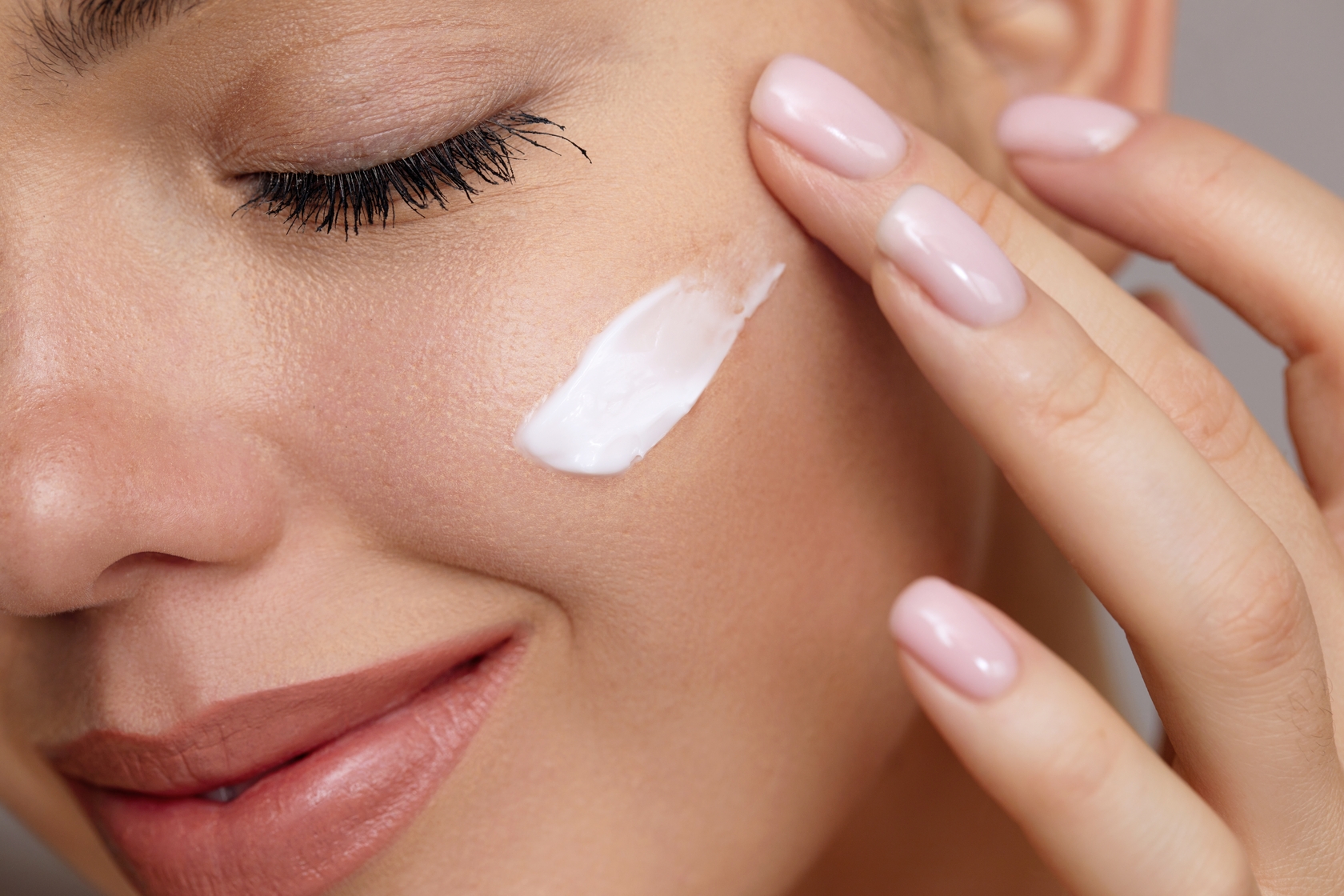
- Topical tranexamic acid creams or serums, ideal for mild to moderate melasma.
- Oral tranexamic acid, prescribed for more stubborn pigmentation and applied under close supervision.
- Combination therapies, pairing tranexamic acid with professional treatments, as mentioned.
While other brightening ingredients, like vitamin C or kojic acid, can help fade dark spots, tranexamic acid stands out for its precision and minimal potential for irritation. It also offers the ideal blend of efficacy and comfort.
Setting Expectations: Timeline and Overall Experience for Patients Who Use Tranexamic Acid
The results of tranexamic acid skincare aren't instantaneous — but they are steady and long-lasting. Most patients begin noticing subtle improvements within 8–12 weeks of consistent use, as melasma patches progressively fade over several months.
Throughout the process, our dermatologists closely track your skin's progress, adjusting the dosage or formulation as needed. Because melasma can flare with sun exposure or hormonal changes, regular follow-up visits and diligent sun protection are essential for sustained progress.
Key Considerations
If you're considering tranexamic acid for melasma, keep several points in mind:
- Consistency is vital — daily use under dermatologist supervision delivers the best results.
- Sun protection is non-negotiable, as UV rays are the top trigger for melasma recurrence.
- Maintenance treatments may be necessary, as melasma can reappear if untreated.
- Always work with a dermatologist, given that the right concentration and formulation vary by skin type.
With the right plan, tranexamic acid offers not just clearer skin, but renewed confidence in your complexion.
Schedule Your Treatment Consultation Today
Tranexamic acid for melasma represents one of dermatology's most promising advances in modern pigmentation care. Safe, effective, and dermatologist-approved, it helps patients achieve naturally radiant skin without compromising comfort or safety.
Contact us to schedule your personalized consultation and learn if tranexamic acid is right for your skin's condition and beauty goals.
Photo Credit: verona studio


.png)

.png)


