

.svg)


.svg)


Rosacea is a chronic skin condition that affects millions. It often arrives with a kind of quiet unpredictability, showing up as warmth, redness, or sensitivity that can shift the tone of an entire day. Many people living with rosacea learn to move through life with extra care, choosing products, activities, and even environments that keep their skin as steady as possible. Clarity can make the experience far less overwhelming, especially when exploring rosacea treatment options, creating a rosacea skincare routine, or identifying rosacea triggers that impact daily comfort.
Common Rosacea Triggers
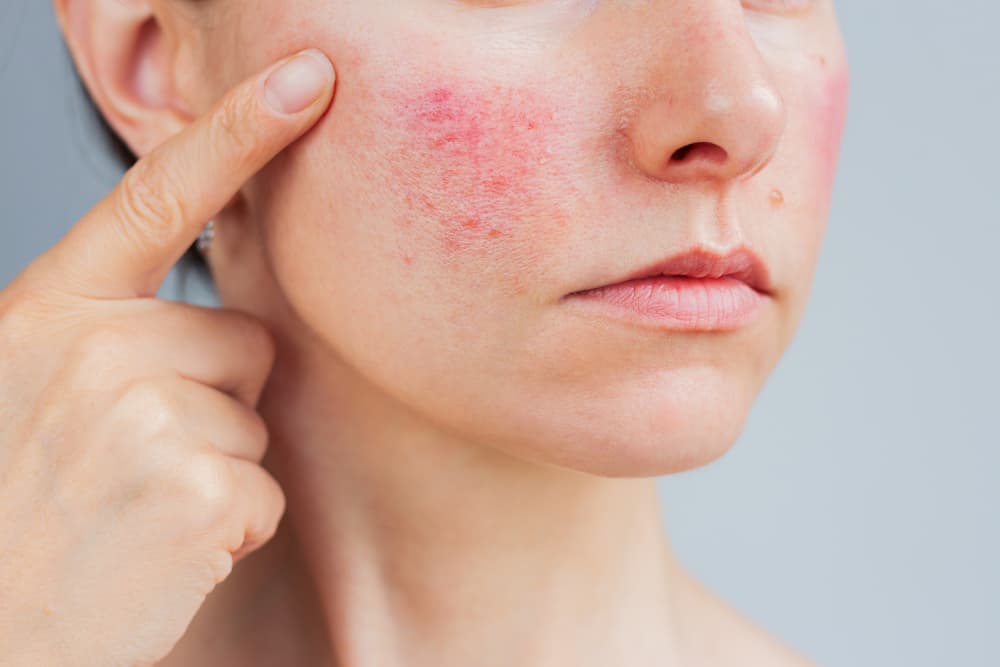
Rosacea brings a recognizable mix of symptoms: persistent redness, flushing, sensitivity, and sometimes small bumps that resemble acne. The reasons behind rosacea continue to be explored, yet patterns emerge in how and when the skin reacts. Triggers often reveal themselves slowly, forming a kind of personal map that helps guide everyday choices.
Sun exposure tends to rank high among the most frequent triggers. Even a brief time outdoors can increase facial warmth and lead to lingering redness. Stress also plays a familiar part, with emotional tension sending more blood flow to the skin. Spicy foods and alcohol, particularly red wine, often set off noticeable flushing. Weather changes, hot drinks, and strenuous exercise can also influence flare-ups.
Tracking meals, activities, and environmental conditions can help individuals uncover what might be worsening their symptoms. Recognizing patterns creates a sense of steadiness and helps shape more comfortable routines and treatment plans.
Rosacea Treatment Options
Managing rosacea effectively means finding the right mix of treatments for your individual needs. Topical treatments may serve as the first step, with options like metronidazole, azelaic acid, and ivermectin creams. You apply these once or twice daily to help reduce inflammation and redness by targeting the underlying causes.
For more stubborn cases, oral medications might be necessary. Antibiotics such as doxycycline can help control inflammation, while a doctor may prescribe isotretinoin for more resistant symptoms. You typically use these medications for a limited period to manage symptoms effectively.
Advanced treatments, including laser therapy, offer solutions for visible blood vessels and persistent redness. Laser treatments target blood vessels beneath the skin, helping to diminish their appearance and reduce redness. Light-based therapies are another option that can help minimize symptoms.
Each person's experience with rosacea is unique, and a dermatologist can recommend the best combination of treatments. Regular check-ins ensure the treatment remains effective, and you can adjust your routine as needed.
Building an Effective Rosacea Skincare Routine
A gentle skincare routine is a good way to manage symptoms and keep skin healthy. Start by choosing products that are fragrance-free and hypoallergenic to avoid irritation. Look for labels that say "non-comedogenic," which means they won't clog pores.
A simple daily routine should cover three main steps:
- Cleansing
- Moisturizing
- Sun protection
Use a mild cleanser to wash away dirt and oil without stripping your skin's natural moisture. Follow this with a soothing moisturizer that hydrates and protects the skin barrier. Ingredients like ceramides and hyaluronic acid are particularly helpful for maintaining moisture and calming irritation.
Sun protection is also important. Choose a broad-spectrum sunscreen with an SPF of 30 or higher, applying it every day, even when it's cloudy. Physical sunscreens with zinc oxide or titanium dioxide are often better for sensitive skin, providing effective protection without triggering flare-ups.
Additional Tips for Managing Rosacea
Lifestyle choices can influence rosacea as much as any product. Being mindful of heat-inducing foods, moderating alcohol, and adjusting exercise intensity can soften day-to-day reactions. Focus on a diet rich in anti-inflammatory foods like leafy greens, fatty fish, and whole grains to help reduce inflammation.
Stress reduction techniques such as meditation, breathing exercises, or slow, grounding movement often decrease the frequency of sudden flushes.
Regular visits to a dermatologist can provide insights about how to adjust treatment plans to meet changing needs. They can also introduce new treatments as they become available, ensuring access to the latest options.
A Clearer Path Forward
Rosacea becomes far more approachable with an understanding of personal triggers and a thoughtful treatment plan that fits naturally into daily life. Gentle routines, informed lifestyle habits, and the right medical guidance all create smoother, more predictable skin days. For personalized support and expert care, contact Radiant Dermatology & Aesthetics to schedule a consultation and explore options designed around your needs.
Image Credit: Olga by Shefer // Shutterstock


.png)

.png)


